Market Overview
Market Overview & Growth Trajectory
The transformational shift in the market's trajectory can be largely attributed to the meteoric rise of semaglutide-based products by Novo Nordisk and tirzepatide (Mounjaro/Zepbound) by Eli Lilly. Semaglutide, marketed under brands including Ozempic (weekly injectable for T2DM), Wegovy (weekly injectable for obesity), and Rybelsus (oral daily formulation), recorded global revenues exceeding USD 28.1 billion in 2024 alone, nearly a fivefold increase from USD 6.1 billion in 2021. Meanwhile, tirzepatide, a dual GIP/GLP-1 receptor agonist approved in 2022, achieved USD 16.5 billion in 2024 revenues and is on track to rival semaglutide for market leadership within the forecast period. These two products collectively accounted for approximately 86% of total market revenues in 2025, illustrating the intensely concentrated competitive dynamic in the space.
The scope of the market's addressable population has expanded in parallel with clinical indications. The WHO estimates that approximately 830 million people globally live with diabetes, of whom 90-95% have T2DM, and the International Obesity Federation reports that over 1 billion adults are clinically obese. Cardiometabolic comorbidity, the simultaneous presence of T2DM, obesity, hypertension, dyslipidemia, and cardiovascular disease, is increasingly recognized as the primary driver of preventable mortality in both developed and middle-income countries, providing a structural and enduring demand base for this drug class.
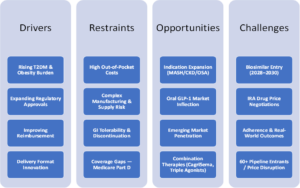
Beyond blockbuster product performance, three macro-level structural forces are redefining the market's growth ceiling. First, the epidemiological burden: the NCD Risk Factor Collaboration estimates that obesity rates have more than doubled in adults since 1990, and diabetes prevalence in low- and middle-income countries has accelerated sharply as dietary and lifestyle westernization proceeds. Second, reimbursement evolution: while coverage for GLP-1 RAs for obesity indications has historically lagged that for T2DM, the progressive designation of obesity as a chronic disease by regulators and payers, including Medicare's expanded coverage framework under the Inflation Reduction Act, is materially widening the commercially insured patient pool. Third, delivery format innovation: the development of oral, non-peptide GLP-1 receptor agonists (notably orforglipron and danuglipron) has the potential to unlock patient segments currently deterred by injection requirements, which surveys indicate affects approximately 20-25% of treatment-eligible T2DM and obesity patients.
The market is also witnessing a structural evolution in approved clinical indications. Initially positioned purely as antidiabetic agents, GLP-1 RAs have expanded their footprint into cardiovascular risk reduction, a landmark development underscored by the SELECT trial, which demonstrated semaglutide's ability to reduce major adverse cardiovascular events (MACE) in non-diabetic obese patients. The cardiovascular application segment, while currently the smallest, is forecasted to grow at the fastest rate through 2035 as additional real-world evidence and label expansions accumulate. Emerging research also explores potential utility in non-alcoholic steatohepatitis (NASH), Alzheimer's disease, and chronic kidney disease, which could further expand the addressable market universe.
Supply chain constraints and access barriers present both challenges and opportunities for market participants. The unprecedented demand surge, particularly for Ozempic and Wegovy, created global shortages between 2022 and 2024, prompting Novo Nordisk and Eli Lilly to invest billions in manufacturing capacity expansions. Novo Nordisk committed over USD 6 billion toward production scale-up, including new facilities in Denmark and the United States. These investments are expected to alleviate supply bottlenecks by 2025-2026, enabling further penetration of underserved markets.
Pricing and reimbursement dynamics remain a critical market determinant. In the U.S., list prices for GLP-1 RA brands typically range from USD 800 to USD 1,400 per month, though significant discounts negotiated through pharmacy benefit managers can substantially alter net pricing. The Inflation Reduction Act (IRA) and growing insurer pressure on obesity drug coverage are reshaping reimbursement landscapes. In Europe, Health Technology Assessment (HTA) processes, particularly in Germany and France, create additional complexity, though expanding national reimbursement decisions are gradually improving access across key European markets. Simultaneously, the anticipated entry of biosimilar semaglutide candidates post-2028, when key Ozempic composition-of-matter patents begin expiring, is expected to introduce meaningful price competition in the 2030-2035 timeframe, moderating revenue growth for originator brands while substantially expanding patient access in price-sensitive markets.
The parallel growth of compounding pharmacies in the U.S. has created a contentious market dynamic. During periods of FDA-declared shortage (2022-2024), compounding pharmacies legally manufactured semaglutide and tirzepatide formulations at significantly lower prices, capturing an estimated 3-5% of total U.S. GLP-1 volume. Following the FDA's removal of semaglutide from the shortage list in early 2025 and tirzepatide in mid-2025, enforcement actions against compounders have intensified, redirecting patients back to branded channels. This normalization is expected to benefit Novo Nordisk and Eli Lilly's near-term revenue trajectories.
Market Dynamics
The foundational driver of GLP-1 RA market growth is the sustained and accelerating global prevalence of type 2 diabetes mellitus and obesity. The International Diabetes Federation (IDF) Diabetes Atlas (2023) estimates 537 million adults are currently living with diabetes globally, a figure projected to rise to 783 million by 2045. T2DM alone accounts for 90-95% of all diabetes cases, translating into a massive and expanding pharmacotherapy-eligible population. In parallel, the WHO reports that global obesity prevalence has nearly tripled since 1975, with 2.5 billion adults overweight and 1.0 billion clinically obese as of 2024. The co-occurrence of these conditions, metabolic syndrome, creates a uniquely large addressable population where a single drug class can deliver value across multiple disease endpoints.
Regulatory tailwinds have been a powerful accelerant of market growth. Between 2021 and 2025, the GLP-1 RA class received multiple landmark approvals: semaglutide for chronic weight management in adults (Wegovy, FDA 2021), tirzepatide for T2DM (Mounjaro, FDA 2022), tirzepatide for chronic weight management (Zepbound, FDA 2023), semaglutide for cardiovascular risk reduction in non-diabetic obese patients (FDA 2024), semaglutide for pediatric obesity in adolescents aged 12 years and older (Wegovy, FDA 2024), and semaglutide for MASH-related liver fibrosis (anticipated 2025-2026). Each approval broadens the prescribing authority, from endocrinology to cardiology, hepatology, and pediatrics, amplifying physician prescription volumes and expanding commercial coverage.
Historically, obesity pharmacotherapy faced significant reimbursement barriers, with many payers classifying obesity drugs as lifestyle or cosmetic treatments. This has changed materially as the clinical evidence base demonstrating the systemic cardiometabolic benefits of GLP-1 RAs has accumulated. In the United States, the Treat and Reduce Obesity Act and evolving Medicare and Medicaid coverage policies under the American Rescue Plan have incrementally expanded access. Approximately 55% of U.S. commercial insurance plans now cover at least one GLP-1 RA for obesity indications, up from 28% in 2021. Employer self-insured plans, particularly among large corporations, are increasingly adding obesity pharmacotherapy benefits as a cost-containment strategy for downstream cardiovascular and musculoskeletal complications.
Key Industry Examples & Case Studies
Tirzepatide is the fastest-growing entrant, having grown from zero revenues (pre-approval) in 2021 to USD 24.9 billion in 2025, benefiting from its dual mechanism of action (GIP and GLP-1 agonism), which produces superior weight loss outcomes versus semaglutide in head-to-head SURMOUNT trial data. Older agents, dulaglutide and liraglutide, are experiencing structural decline as physicians shift prescribing patterns toward newer, more efficacious molecules. The tirzepatide pipeline includes oral tirzepatide (Phase III), tirzepatide for MASH (Phase III SYNERGY-NASH), and tirzepatide for sleep apnea (SURMOUNT-OSA, Phase III).
The competitive landscape is, however, in the early stages of a meaningful evolution. Over 60 companies are developing GLP-1-based therapeutics globally, with more than 135 pipeline candidates in various stages of clinical development. Second-wave entrants, including Amgen, Pfizer, Roche/Zealand, AstraZeneca, Boehringer Ingelheim, Structure Therapeutics, and Viking Therapeutics, are targeting clinical differentiation through novel mechanisms (GLP-1/GIP/glucagon triple agonism, GLP-1/amylin, GIPR antagonism), delivery format innovation (oral, monthly subcutaneous), and indication specificity (MASH, OSA, CKD, Alzheimer's). Biosimilar manufacturers in China, India, and South Korea are advancing semaglutide and liraglutide biosimilars for regional markets, with several expected to launch in Asia between 2026 and 2029.
GLP-1 Receptor Agonist Market Report Scope and Segmentation
| The global GLP-1 receptor agonist market has emerged as one of the most rapidly evolving segments within the pharmaceutical industry, underpinned by the escalating global burden of obesity and type 2 diabetes mellitus (T2DM). In 2025, the market is estimated at USD 68.4 billion and is projected to reach USD 268.4 billion by 2035, expanding at a CAGR of approximately 13.6%. This extraordinary momentum is propelled by breakthrough therapeutic approvals, broadening clinical indications, and rising physician and patient awareness across both developed and emerging economies. |
| Analyst Insight The GLP-1 RA market is transitioning from a demand-constrained to a supply-driven growth phase. As manufacturing capacity catches up with demand through 2026, the primary competitive battleground will shift from availability to access, meaning payer coverage breadth, patient affordability programs, and real-world adherence support will become the defining growth levers for market leaders. |
Key Industry Examples & Case Studies
- Novo Nordisk's Ozempic & Wegovy: Semaglutide-based products from Novo Nordisk represent the most commercially successful GLP-1 products to date. Ozempic (semaglutide 0.5-2 mg weekly injection) held the largest single-product market share in 2025. In March 2024, Ozempic demonstrated a 24% reduction in risk of death and cardiac events in patients with type 2 diabetes and chronic kidney disease, expanding its label and driving physician adoption across nephrology and cardiology. Wegovy (semaglutide 2.4 mg weekly), approved for obesity in 2021, has shown mean weight losses of 15.8% at 68 weeks in clinical trials, making it one of the most effective non-surgical weight management interventions ever developed. Rybelsus (oral semaglutide, 14 mg once daily) completes the franchise as the first and currently only approved daily oral GLP-1 RA, primarily capturing T2DM patients with needle aversion; it achieved USD 2.8 billion in 2024 revenues and is undergoing clinical evaluation at higher doses (25 mg and 50 mg) for potential obesity approval.
- Eli Lilly's Mounjaro & Zepbound: Tirzepatide, a first-in-class dual GIP/GLP-1 receptor agonist, represents the next generation of incretin therapy. Marketed as Mounjaro for type 2 diabetes and Zepbound for obesity, it demonstrated superior weight loss outcomes up to 22.5% body weight reduction at 72 weeks, compared to semaglutide in head-to-head analyses. Commercially, tirzepatide's trajectory has been exceptional. From zero revenues pre-2022, Mounjaro generated USD 10.5 billion in 2024, while Zepbound (approved for obesity in November 2023) contributed USD 4.9 billion in its first full year, for a combined tirzepatide franchise revenue of USD 15.4 billion. By mid-2025, Lilly's GLP-1 revenues had surpassed those of Novo Nordisk for the first time, marking a historic market share inflection. In August 2024, Eli Lilly launched single-dose vials of Zepbound priced approximately 50% lower than existing versions, dramatically improving market accessibility. Concurrently, the company invested USD 1.8 billion in September 2024 to enhance GLP-1 manufacturing capacity to meet surging global demand.
- Eli Lilly's Orforglipron: Eli Lilly's orforglipron marks a strategic inflection point as the first truly oral, non-peptide small-molecule GLP-1 receptor agonist. Unlike Rybelsus, which requires fasting administration and has a narrow therapeutic window, orforglipron is a once-daily tablet requiring no fasting restriction, is manufactured via standard chemical synthesis (eliminating the complex biologics supply chain), and is projected to be significantly lower in cost of goods than peptide-based GLP-1 RAs. The Phase III ACHIEVE-1 trial (T2DM, June 2025) demonstrated statistically significant reductions in HbA1c across all doses versus placebo, with a safety profile consistent with injectable GLP-1 RAs. Topline results from the ATTAIN-1 and ATTAIN-2 trials (obesity) showed mean weight losses of 7.9–8.7% at 36 weeks, with dose-escalation data still maturing. Regulatory submissions are planned for 2025-2026, with a potential global launch in 2026-2027. The commercial implications of orforglipron approval would be far-reaching. Market access analyses project that oral administration could expand the eligible patient pool by 30-40% by capturing injection-averse patients and those in geographic areas with limited healthcare infrastructure for injectable drug administration. In emerging markets where cold-chain logistics constrain injectable GLP-1 RA distribution, orforglipron could unlock previously inaccessible patient populations in rural India, Southeast Asia, sub-Saharan Africa, and Latin America.
- Pipeline Entrants: Beyond the current Novo Nordisk-Eli Lilly duopoly, a robust pipeline of next-generation molecules is advancing toward commercialization. Amgen's MariTide (AMG133), a novel GLP-1 receptor agonist and GIPR antagonist delivered as a monthly subcutaneous injection, demonstrated up to 20% weight loss at 52 weeks in Phase II trials with notably sustained efficacy, a potential best-in-class durability profile. Phase III trials are underway across obesity, T2DM, and cardiovascular comorbidity indications. MariTide's monthly dosing schedule represents a meaningful convenience advantage versus weekly competitors and could command a pricing premium in markets where adherence is a challenge. In March 2025, Roche and Zealand Pharma announced a collaboration valued at up to USD 5.3 billion to co-develop petrelintide, a long-acting amylin analog, for overweight and obesity indications, both as monotherapy and in combination with GLP-1 RAs. This deal underscores the strategic importance of combination cardiometabolic regimens: petrelintide targets complementary pathways (satiety via amylin receptor agonism) that may produce additive weight loss and improved tolerability versus GLP-1 RA monotherapy. Novo Nordisk, AstraZeneca, and Viking Therapeutics are some of the other companies with products in the pipeline. The cumulative competitive pressure from these second-wave entrants is expected to accelerate pricing competition and innovation cycles across the therapeutic class through the 2027–2030 window.
By Product
The product landscape of the GLP-1 receptor agonist market is dominated by two next-generation molecules, semaglutide and tirzepatide, which are rapidly displacing earlier-generation agents such as dulaglutide and liraglutide. Semaglutide retains market leadership with a 52.8% revenue share in 2025, having demonstrated robust clinical superiority data across the SUSTAIN, PIONEER, and STEP clinical trial programs. The growth is also underpinned by a broad portfolio spanning three distinct delivery formats and indication sets (Ozempic, Wegovy, Rybelsus), a deep and growing body of cardiovascular outcomes evidence, and Novo Nordisk's unmatched global commercial and distribution infrastructure across 170+ countries. The following chart details the product-wise revenue breakdown from 2023 through the forecast horizon.
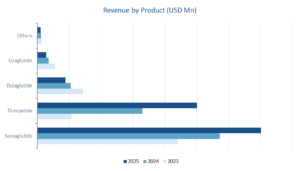
Tirzepatide is the fastest-growing entrant, having grown from zero revenues (pre-approval) in 2021 to USD 24.9 billion in 2025, benefiting from its dual mechanism of action (GIP and GLP-1 agonism), which produces superior weight loss outcomes versus semaglutide in head-to-head SURMOUNT trial data. Older agents, dulaglutide and liraglutide, are experiencing structural decline as physicians shift prescribing patterns toward newer, more efficacious molecules. The tirzepatide pipeline includes oral tirzepatide (Phase III), tirzepatide for MASH (Phase III SYNERGY-NASH), and tirzepatide for sleep apnea (SURMOUNT-OSA, Phase III).
By Application / Therapeutic Indication
Type 2 Diabetes Mellitus (T2DM) remains the dominant application segment, accounting for 81.2% share in 2025. The segment's growth is supported by the WHO's estimate that over 830 million individuals globally live with diabetes, with T2DM representing approximately 90-95% of all cases. GLP-1 RAs have become preferred agents in T2DM guidelines issued by the American Diabetes Association (ADA) and European Association for the Study of Diabetes (EASD), particularly for patients with established cardiovascular disease or high cardiovascular risk. This guideline-driven prescribing tailwind, combined with growing evidence that early initiation of GLP-1 RAs prevents progression from prediabetes to T2DM, is expected to sustain this segment's dominance through 2035, even as the obesity and cardiovascular segments grow faster in percentage terms. The Obesity / Chronic Weight Management segment is the fastest-growing application over the forecast years. The FDA's approval of Wegovy in 2021 and Zepbound in 2023 for chronic weight management marked a paradigm shift in the treatment of obesity, which affects over 1 billion people worldwide. The reclassification of obesity as a chronic disease by leading medical bodies has significantly improved reimbursement prospects globally. The pediatric obesity segment (FDA approved for adolescents ≥ 12 years in 2022 for Wegovy) represents an additional growth adjacency, with approximately 20 million adolescents in the U.S. clinically eligible. Cardiovascular Risk Reduction represents the emerging frontier forecasted to grow at a CAGR of approximately 32% through 2035. The approval of semaglutide for cardiovascular risk reduction (SELECT indication) in non-diabetic patients, alongside growing data on liraglutide (LEADER trial), is expected to catalyze this segment's expansion. By Route of Administration Injectable formulations dominated the GLP-1 receptor agonists market in 2025, driven by the once-weekly subcutaneous pen-injection format of Ozempic, Wegovy, Mounjaro, and Zepbound, which balances efficacy with patient convenience. However, oral GLP-1 RAs led by Rybelsus (oral semaglutide) are gaining traction among patients with needle phobia and those preferring daily oral regimens. The pipeline includes several oral candidates in late-stage development, including oral tirzepatide, which could substantially reshape the route-of-administration mix by the end of the forecast period. Oral GLP-1 RAs currently represent approximately 8% of total market revenues, primarily through Rybelsus (oral semaglutide). Growth of the oral segment is constrained by the pharmacokinetic challenges of peptide-based oral delivery (requiring specific fasting conditions and having bioavailability of only 1%), the modest weight loss outcomes versus injectable semaglutide, and the availability of superior injectable alternatives. However, the oral segment is the highest CAGR sub-segment on a forward-looking basis. The anticipated approval of orforglipron, which circumvents the oral peptide delivery limitations through its small-molecule design, is expected to create an inflection point in oral segment growth from 2027 onward. Projections suggest the oral segment could capture 25-35% of market revenues by 2035, fundamentally reshaping the delivery format mix.By Distribution Channel
Retail pharmacies remain the primary distribution channel in 2025, while online pharmacies represent the fastest-growing channel, driven by the rapid expansion of telehealth platforms and compounding pharmacies, particularly in the U.S., which fill demand gaps during shortage periods. Regulatory crackdowns on compounded GLP-1 Ras, following FDA guidance, are expected to redirect patients toward branded pharmacy channels through 2026-2027. Online pharmacies and direct-to-consumer (DTC) telehealth platforms represent the fastest-growing distribution channel, expanding at a significant CAGR from 2026 to 2035. Platforms such as Ro, Hims & Hers, Found, and WeightWatchers Clinic have built vertically integrated models combining telehealth prescribing, pharmacy fulfillment, and digital adherence coaching, capturing an estimated 8-12% of total U.S. GLP-1 RA prescriptions by mid-2025. Following the FDA's crackdown on compounding pharmacies for semaglutide and tirzepatide (shortage designation lifted in 2025), several of these DTC platforms transitioned to branded product dispensing, creating a new, high-growth branded channel for manufacturers. Hospital and institutional pharmacies account for a smaller share of GLP-1 RA distribution but are growing as hospital-based obesity medicine programs and endocrinology clinics expand their patient management volumes. Regional Insights GLP-1 Receptor Agonist Market Share by Region (USD Million), 2025
North America
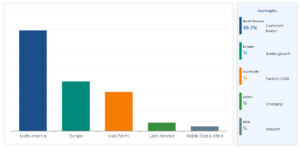
North America commands a dominant 75.5% share of the global GLP-1 RA market in 2025, underpinned by the highest per-capita healthcare spending, robust insurance reimbursement infrastructure, and high obesity prevalence (approximately 42% in the U.S. adult population). The U.S. alone accounts for the majority of North America revenues, with Ozempic consistently ranked as one of the most prescribed branded medications by value. The combination of semaglutide and tirzepatide product launches, coupled with expanding Medicare and commercial payer coverage under obesity benefit riders, cements the region's leadership position through the forecast period. The passage of the Treat and Reduce Obesity Act (if enacted) and the Biden/Trump-era Inflation Reduction Act drug pricing provisions will have material implications for GLP-1 RA market dynamics in the U.S. The IRA's Medicare drug price negotiation mechanism, which selected the first 10 drugs for negotiation in 2023, is not expected to include GLP-1 RAs in the near term, given their recent launch dates, but the broader pricing pressure dynamic and the precedent of government negotiation create uncertainty for long-term U.S. pricing assumptions.Europe
Europe is the second-largest market, with Germany, the UK, and France constituting the largest country markets. Semaglutide products dominate, particularly given Novo Nordisk's home market advantage and strong EMEA commercial infrastructure. HTA-related pricing pressures and reimbursement restrictions, particularly in France and Italy, temper growth relative to the U.S. However, the progressive recognition of obesity as a chronic disease and improving payer policies are expected to drive a re-acceleration in European adoption through 2027-2030. The Nordic countries present a particularly high per-capita utilization profile, reflecting both higher average healthcare expenditures and Novo Nordisk's country-specific brand strength. Denmark alone accounts for a disproportionate share of European GLP-1 RA revenues on a per-capita basis. Southern and Eastern European markets remain significantly underpenetrated relative to GDP-adjusted disease burden, constrained by lower per-capita healthcare budgets and less favorable reimbursement conditions. Progressive HTA framework harmonization under the EU HTA Regulation (effective January 2025) is expected to streamline multi-country reimbursement decisions and potentially accelerate European market access for future GLP-1 RA approvals.Asia Pacific
Asia Pacific represents the highest-growth opportunity region, expanding at a CAGR of approximately 15%. Japan is the region's largest market, supported by early regulatory approvals and strong diabetes infrastructure. The Japanese Pharmaceuticals and Medical Devices Agency (PMDA) approved Ozempic in 2021 and Wegovy in 2023, with tirzepatide (Mounjaro) approved in 2023 for T2DM. China is the fastest-growing country, with semaglutide achieving rapid adoption following its 2022 China approval. India represents a significant nascent opportunity, currently, but is expected to scale considerably given the country's 77 million diabetic population and increasing middle-class healthcare spending. The development of locally manufactured, lower-cost semaglutide products by Indian generics manufacturers (Sun Pharma, Cipla, and Dr. Reddy's have all announced GLP-1 RA development programs) is expected to expand market access in the 2027–2032 timeframe materially.Latin America & Middle East/Africa
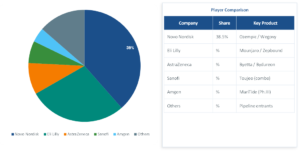
Latin America GLP-1 RA market is characterized by a high disease burden but constrained by affordability and reimbursement limitations. Market access is gradually improving through government health programs and private insurer expansion. Novo Nordisk and Eli Lilly have both made direct investment commitments to Latam commercial infrastructure, including dedicated medical affairs teams, patient support programs, and partnerships with local pharmacy chains to expand GLP-1 RA distribution coverage. The Middle East & Africa GLP-1 RA market is led by Saudi Arabia and the UAE, where strong healthcare infrastructure and high prevalence of cardiometabolic risk factors drive adoption. Both regions are expected to record above-average CAGRs through 2035 as market access expands. Both Ozempic and Wegovy are reimbursed in Saudi Arabia and the UAE for their approved indications, with tirzepatide gaining approval and market access in both countries through 2024. Sub-Saharan Africa represents a long-term strategic opportunity that remains effectively nascent from a commercial GLP-1 RA perspective. South Africa is the exception within the region, with a more developed private healthcare sector and an established specialty pharmacy network enabling limited branded GLP-1 RA access for insured patients. Competitive Landscape The global GLP-1 receptor agonist market exhibits a highly concentrated competitive structure, with two pharmaceutical giants, Novo Nordisk A/S and Eli Lilly and Company, collectively controlling over the majority of total market revenues in 2025. Significant barriers to entry, including complex biologics manufacturing, extensive clinical trial requirements, established brand equity, and entrenched physician relationships, reinforce this duopolistic dynamic. GLP-1 Receptor Agonist Competitive Market Share, 2025
The competitive landscape is, however, in the early stages of a meaningful evolution. Over 60 companies are developing GLP-1-based therapeutics globally, with more than 135 pipeline candidates in various stages of clinical development. Second-wave entrants, including Amgen, Pfizer, Roche/Zealand, AstraZeneca, Boehringer Ingelheim, Structure Therapeutics, and Viking Therapeutics, are targeting clinical differentiation through novel mechanisms (GLP-1/GIP/glucagon triple agonism, GLP-1/amylin, GIPR antagonism), delivery format innovation (oral, monthly subcutaneous), and indication specificity (MASH, OSA, CKD, Alzheimer's). Biosimilar manufacturers in China, India, and South Korea are advancing semaglutide and liraglutide biosimilars for regional markets, with several expected to launch in Asia between 2026 and 2029.
Novo Nordisk A/S
Novo Nordisk has achieved a position of unrivaled dominance in the GLP-1 RA space, with semaglutide products generating a global revenue of approximately USD 28.1 billion in 2024, equivalent to over 80% of the company's total pharmaceutical revenues. The company's competitive moat rests on its proprietary semaglutide molecule chemistry (fatty acid acylation enabling extended half-life), first-mover advantage in once-weekly injectable and oral GLP-1 formulations, and robust EMEA/US commercial infrastructure. Novo Nordisk's pipeline includes oral semaglutide (higher dose) for obesity, amycretin (GLP-1/amylin dual agonist), and semaglutide label expansions into CKD, NASH/MASH, and MACE reduction. The company has committed USD 6.7 billion to manufacturing capacity expansion through 2026, including a major facility acquisition in the U.S.Eli Lilly and Company
Eli Lilly has emerged as Novo Nordisk's most formidable competitor following the blockbuster launches of Mounjaro (tirzepatide for T2DM, approved 2022) and Zepbound (tirzepatide for obesity, approved 2023). Tirzepatide's dual mechanism action on both GIP and GLP-1 receptors delivers superior clinical outcomes, including up to 22.5% average weight loss in SURMOUNT-1 trial versus ~15% for semaglutide in STEP trials, positioning it as the therapy of choice for weight management in clinical practice. Eli Lilly's pipeline further includes retatrutide (GIP/GLP-1/glucagon triple agonist, Phase III) and oral tirzepatide, which could unlock substantially larger patient populations averse to injectable delivery. Lilly's projected 2025 GLP-1 revenues of USD 29.4 billion mark a trajectory to potentially surpass Novo Nordisk in total GLP-1 revenues within the forecast period.Competitive Pipeline & Emerging Players
Beyond the current duopoly, the competitive pipeline is expanding significantly. Notable late-stage candidates include: orforglipron (Eli Lilly, oral non-peptide GLP-1 agonist, Phase III); cagrilintide/semaglutide combination (Novo Nordisk, Phase III); pemvidutide (Altimmune, GLP-1/glucagon, Phase II); and several oral small-molecule GLP-1 agonists from Pfizer, Roche, and AstraZeneca. Biosimilar semaglutide entrants are expected post-2028 as key patents begin expiring, though brand loyalty, delivery device patents, and manufacturing complexity may delay significant market share erosion.| Key Strategic Takeaway: The GLP-1 RA market is at an inflection point, transitioning from a diabetes-centric specialty drug class to a broad cardiometabolic franchise. Companies with diversified GLP-1 portfolios spanning multiple indications, delivery formats including injectable & oral, and geographies are best positioned to capture the multi-billion dollar opportunity projected through 2035. Pipeline innovation, manufacturing scale, and reimbursement access are expected to define the competitive battlegrounds over the next decade. The anticipated entry of biosimilar competitors beginning around 2028 is expected to introduce significant pricing pressures across the market. In response, leading companies will need to adopt proactive strategies such as expanding therapeutic indications, investing in advanced drug delivery and device innovations, and strengthening patient engagement and loyalty programs. These measures will be critical for sustaining market share, reinforcing brand differentiation, and maintaining revenue growth in an increasingly competitive landscape. |
| Coverage | Details |
| Base Year | 2025 |
| Actual Data | 2021-2025 |
| Forecast Years | 2026-2035 |
| Unit and Growth Rate (CAGR) | Revenue (USD Million/Billion) and CAGR from 2026 to 2035 |
| Geographic Scope | ● North America: U.S., Canada, Mexico ● Europe: UK, Germany, France, Italy, Spain, Russia, Denmark, Sweden, Norway ● Asia Pacific: Japan, China, India, Australia, South Korea, Thailand, Singapore ● Latin America: Brazil, Argentina ● MEA: South Africa, Saudi Arabia, UAE |
| Segment Scope | ● Product ○ Semaglutide (Ozempic, Wegovy, Rybelsus), ○ Tirzepatide (Mounjaro, Zepbound) ○ Dulaglutide (Trulicity) ○ Liraglutide (Victoza, Saxenda) ○ Others ● Application ○ Type 2 Diabetes Mellitus ○ Obesity / Chronic Weight Management ○ Cardiovascular Risk ● Route of Administration ○ Injectable / Parenteral ○ Oral ● Distribution Channel ○ Hospital Pharmacies ○ Retail Pharmacies ○ Online Pharmacies |
| Companies Covered | ● Eli Lilly and Company ● Sanofi ● Novo Nordisk A/S ● AstraZeneca ● Teva Pharmaceutical Industries Ltd. ● Glenmark Pharmaceuticals ● Emerging Companies (Pipeline Products) |
Market Overview
Market Overview & Growth Trajectory
The transformational shift in the market's trajectory can be largely attributed to the meteoric rise of semaglutide-based products by Novo Nordisk and tirzepatide (Mounjaro/Zepbound) by Eli Lilly. Semaglutide, marketed under brands including Ozempic (weekly injectable for T2DM), Wegovy (weekly injectable for obesity), and Rybelsus (oral daily formulation), recorded global revenues exceeding USD 28.1 billion in 2024 alone, nearly a fivefold increase from USD 6.1 billion in 2021. Meanwhile, tirzepatide, a dual GIP/GLP-1 receptor agonist approved in 2022, achieved USD 16.5 billion in 2024 revenues and is on track to rival semaglutide for market leadership within the forecast period. These two products collectively accounted for approximately 86% of total market revenues in 2025, illustrating the intensely concentrated competitive dynamic in the space.
The scope of the market's addressable population has expanded in parallel with clinical indications. The WHO estimates that approximately 830 million people globally live with diabetes, of whom 90-95% have T2DM, and the International Obesity Federation reports that over 1 billion adults are clinically obese. Cardiometabolic comorbidity, the simultaneous presence of T2DM, obesity, hypertension, dyslipidemia, and cardiovascular disease, is increasingly recognized as the primary driver of preventable mortality in both developed and middle-income countries, providing a structural and enduring demand base for this drug class.
Beyond blockbuster product performance, three macro-level structural forces are redefining the market's growth ceiling. First, the epidemiological burden: the NCD Risk Factor Collaboration estimates that obesity rates have more than doubled in adults since 1990, and diabetes prevalence in low- and middle-income countries has accelerated sharply as dietary and lifestyle westernization proceeds. Second, reimbursement evolution: while coverage for GLP-1 RAs for obesity indications has historically lagged that for T2DM, the progressive designation of obesity as a chronic disease by regulators and payers, including Medicare's expanded coverage framework under the Inflation Reduction Act, is materially widening the commercially insured patient pool. Third, delivery format innovation: the development of oral, non-peptide GLP-1 receptor agonists (notably orforglipron and danuglipron) has the potential to unlock patient segments currently deterred by injection requirements, which surveys indicate affects approximately 20-25% of treatment-eligible T2DM and obesity patients.
The market is also witnessing a structural evolution in approved clinical indications. Initially positioned purely as antidiabetic agents, GLP-1 RAs have expanded their footprint into cardiovascular risk reduction, a landmark development underscored by the SELECT trial, which demonstrated semaglutide's ability to reduce major adverse cardiovascular events (MACE) in non-diabetic obese patients. The cardiovascular application segment, while currently the smallest, is forecasted to grow at the fastest rate through 2035 as additional real-world evidence and label expansions accumulate. Emerging research also explores potential utility in non-alcoholic steatohepatitis (NASH), Alzheimer's disease, and chronic kidney disease, which could further expand the addressable market universe.
Supply chain constraints and access barriers present both challenges and opportunities for market participants. The unprecedented demand surge, particularly for Ozempic and Wegovy, created global shortages between 2022 and 2024, prompting Novo Nordisk and Eli Lilly to invest billions in manufacturing capacity expansions. Novo Nordisk committed over USD 6 billion toward production scale-up, including new facilities in Denmark and the United States. These investments are expected to alleviate supply bottlenecks by 2025-2026, enabling further penetration of underserved markets.
Pricing and reimbursement dynamics remain a critical market determinant. In the U.S., list prices for GLP-1 RA brands typically range from USD 800 to USD 1,400 per month, though significant discounts negotiated through pharmacy benefit managers can substantially alter net pricing. The Inflation Reduction Act (IRA) and growing insurer pressure on obesity drug coverage are reshaping reimbursement landscapes. In Europe, Health Technology Assessment (HTA) processes, particularly in Germany and France, create additional complexity, though expanding national reimbursement decisions are gradually improving access across key European markets. Simultaneously, the anticipated entry of biosimilar semaglutide candidates post-2028, when key Ozempic composition-of-matter patents begin expiring, is expected to introduce meaningful price competition in the 2030-2035 timeframe, moderating revenue growth for originator brands while substantially expanding patient access in price-sensitive markets.
The parallel growth of compounding pharmacies in the U.S. has created a contentious market dynamic. During periods of FDA-declared shortage (2022-2024), compounding pharmacies legally manufactured semaglutide and tirzepatide formulations at significantly lower prices, capturing an estimated 3-5% of total U.S. GLP-1 volume. Following the FDA's removal of semaglutide from the shortage list in early 2025 and tirzepatide in mid-2025, enforcement actions against compounders have intensified, redirecting patients back to branded channels. This normalization is expected to benefit Novo Nordisk and Eli Lilly's near-term revenue trajectories.
Market Dynamics
The foundational driver of GLP-1 RA market growth is the sustained and accelerating global prevalence of type 2 diabetes mellitus and obesity. The International Diabetes Federation (IDF) Diabetes Atlas (2023) estimates 537 million adults are currently living with diabetes globally, a figure projected to rise to 783 million by 2045. T2DM alone accounts for 90-95% of all diabetes cases, translating into a massive and expanding pharmacotherapy-eligible population. In parallel, the WHO reports that global obesity prevalence has nearly tripled since 1975, with 2.5 billion adults overweight and 1.0 billion clinically obese as of 2024. The co-occurrence of these conditions, metabolic syndrome, creates a uniquely large addressable population where a single drug class can deliver value across multiple disease endpoints.
Regulatory tailwinds have been a powerful accelerant of market growth. Between 2021 and 2025, the GLP-1 RA class received multiple landmark approvals: semaglutide for chronic weight management in adults (Wegovy, FDA 2021), tirzepatide for T2DM (Mounjaro, FDA 2022), tirzepatide for chronic weight management (Zepbound, FDA 2023), semaglutide for cardiovascular risk reduction in non-diabetic obese patients (FDA 2024), semaglutide for pediatric obesity in adolescents aged 12 years and older (Wegovy, FDA 2024), and semaglutide for MASH-related liver fibrosis (anticipated 2025-2026). Each approval broadens the prescribing authority, from endocrinology to cardiology, hepatology, and pediatrics, amplifying physician prescription volumes and expanding commercial coverage.
Historically, obesity pharmacotherapy faced significant reimbursement barriers, with many payers classifying obesity drugs as lifestyle or cosmetic treatments. This has changed materially as the clinical evidence base demonstrating the systemic cardiometabolic benefits of GLP-1 RAs has accumulated. In the United States, the Treat and Reduce Obesity Act and evolving Medicare and Medicaid coverage policies under the American Rescue Plan have incrementally expanded access. Approximately 55% of U.S. commercial insurance plans now cover at least one GLP-1 RA for obesity indications, up from 28% in 2021. Employer self-insured plans, particularly among large corporations, are increasingly adding obesity pharmacotherapy benefits as a cost-containment strategy for downstream cardiovascular and musculoskeletal complications.
Key Industry Examples & Case Studies
Tirzepatide is the fastest-growing entrant, having grown from zero revenues (pre-approval) in 2021 to USD 24.9 billion in 2025, benefiting from its dual mechanism of action (GIP and GLP-1 agonism), which produces superior weight loss outcomes versus semaglutide in head-to-head SURMOUNT trial data. Older agents, dulaglutide and liraglutide, are experiencing structural decline as physicians shift prescribing patterns toward newer, more efficacious molecules. The tirzepatide pipeline includes oral tirzepatide (Phase III), tirzepatide for MASH (Phase III SYNERGY-NASH), and tirzepatide for sleep apnea (SURMOUNT-OSA, Phase III).
The competitive landscape is, however, in the early stages of a meaningful evolution. Over 60 companies are developing GLP-1-based therapeutics globally, with more than 135 pipeline candidates in various stages of clinical development. Second-wave entrants, including Amgen, Pfizer, Roche/Zealand, AstraZeneca, Boehringer Ingelheim, Structure Therapeutics, and Viking Therapeutics, are targeting clinical differentiation through novel mechanisms (GLP-1/GIP/glucagon triple agonism, GLP-1/amylin, GIPR antagonism), delivery format innovation (oral, monthly subcutaneous), and indication specificity (MASH, OSA, CKD, Alzheimer's). Biosimilar manufacturers in China, India, and South Korea are advancing semaglutide and liraglutide biosimilars for regional markets, with several expected to launch in Asia between 2026 and 2029.
GLP-1 Receptor Agonist Market Report Scope and Segmentation
| The global GLP-1 receptor agonist market has emerged as one of the most rapidly evolving segments within the pharmaceutical industry, underpinned by the escalating global burden of obesity and type 2 diabetes mellitus (T2DM). In 2025, the market is estimated at USD 68.4 billion and is projected to reach USD 268.4 billion by 2035, expanding at a CAGR of approximately 13.6%. This extraordinary momentum is propelled by breakthrough therapeutic approvals, broadening clinical indications, and rising physician and patient awareness across both developed and emerging economies. |
| Analyst Insight The GLP-1 RA market is transitioning from a demand-constrained to a supply-driven growth phase. As manufacturing capacity catches up with demand through 2026, the primary competitive battleground will shift from availability to access, meaning payer coverage breadth, patient affordability programs, and real-world adherence support will become the defining growth levers for market leaders. |
Key Industry Examples & Case Studies
- Novo Nordisk's Ozempic & Wegovy: Semaglutide-based products from Novo Nordisk represent the most commercially successful GLP-1 products to date. Ozempic (semaglutide 0.5-2 mg weekly injection) held the largest single-product market share in 2025. In March 2024, Ozempic demonstrated a 24% reduction in risk of death and cardiac events in patients with type 2 diabetes and chronic kidney disease, expanding its label and driving physician adoption across nephrology and cardiology. Wegovy (semaglutide 2.4 mg weekly), approved for obesity in 2021, has shown mean weight losses of 15.8% at 68 weeks in clinical trials, making it one of the most effective non-surgical weight management interventions ever developed. Rybelsus (oral semaglutide, 14 mg once daily) completes the franchise as the first and currently only approved daily oral GLP-1 RA, primarily capturing T2DM patients with needle aversion; it achieved USD 2.8 billion in 2024 revenues and is undergoing clinical evaluation at higher doses (25 mg and 50 mg) for potential obesity approval.
- Eli Lilly's Mounjaro & Zepbound: Tirzepatide, a first-in-class dual GIP/GLP-1 receptor agonist, represents the next generation of incretin therapy. Marketed as Mounjaro for type 2 diabetes and Zepbound for obesity, it demonstrated superior weight loss outcomes up to 22.5% body weight reduction at 72 weeks, compared to semaglutide in head-to-head analyses. Commercially, tirzepatide's trajectory has been exceptional. From zero revenues pre-2022, Mounjaro generated USD 10.5 billion in 2024, while Zepbound (approved for obesity in November 2023) contributed USD 4.9 billion in its first full year, for a combined tirzepatide franchise revenue of USD 15.4 billion. By mid-2025, Lilly's GLP-1 revenues had surpassed those of Novo Nordisk for the first time, marking a historic market share inflection. In August 2024, Eli Lilly launched single-dose vials of Zepbound priced approximately 50% lower than existing versions, dramatically improving market accessibility. Concurrently, the company invested USD 1.8 billion in September 2024 to enhance GLP-1 manufacturing capacity to meet surging global demand.
- Eli Lilly's Orforglipron: Eli Lilly's orforglipron marks a strategic inflection point as the first truly oral, non-peptide small-molecule GLP-1 receptor agonist. Unlike Rybelsus, which requires fasting administration and has a narrow therapeutic window, orforglipron is a once-daily tablet requiring no fasting restriction, is manufactured via standard chemical synthesis (eliminating the complex biologics supply chain), and is projected to be significantly lower in cost of goods than peptide-based GLP-1 RAs. The Phase III ACHIEVE-1 trial (T2DM, June 2025) demonstrated statistically significant reductions in HbA1c across all doses versus placebo, with a safety profile consistent with injectable GLP-1 RAs. Topline results from the ATTAIN-1 and ATTAIN-2 trials (obesity) showed mean weight losses of 7.9–8.7% at 36 weeks, with dose-escalation data still maturing. Regulatory submissions are planned for 2025-2026, with a potential global launch in 2026-2027. The commercial implications of orforglipron approval would be far-reaching. Market access analyses project that oral administration could expand the eligible patient pool by 30-40% by capturing injection-averse patients and those in geographic areas with limited healthcare infrastructure for injectable drug administration. In emerging markets where cold-chain logistics constrain injectable GLP-1 RA distribution, orforglipron could unlock previously inaccessible patient populations in rural India, Southeast Asia, sub-Saharan Africa, and Latin America.
- Pipeline Entrants: Beyond the current Novo Nordisk-Eli Lilly duopoly, a robust pipeline of next-generation molecules is advancing toward commercialization. Amgen's MariTide (AMG133), a novel GLP-1 receptor agonist and GIPR antagonist delivered as a monthly subcutaneous injection, demonstrated up to 20% weight loss at 52 weeks in Phase II trials with notably sustained efficacy, a potential best-in-class durability profile. Phase III trials are underway across obesity, T2DM, and cardiovascular comorbidity indications. MariTide's monthly dosing schedule represents a meaningful convenience advantage versus weekly competitors and could command a pricing premium in markets where adherence is a challenge. In March 2025, Roche and Zealand Pharma announced a collaboration valued at up to USD 5.3 billion to co-develop petrelintide, a long-acting amylin analog, for overweight and obesity indications, both as monotherapy and in combination with GLP-1 RAs. This deal underscores the strategic importance of combination cardiometabolic regimens: petrelintide targets complementary pathways (satiety via amylin receptor agonism) that may produce additive weight loss and improved tolerability versus GLP-1 RA monotherapy. Novo Nordisk, AstraZeneca, and Viking Therapeutics are some of the other companies with products in the pipeline. The cumulative competitive pressure from these second-wave entrants is expected to accelerate pricing competition and innovation cycles across the therapeutic class through the 2027–2030 window.
By Product
The product landscape of the GLP-1 receptor agonist market is dominated by two next-generation molecules, semaglutide and tirzepatide, which are rapidly displacing earlier-generation agents such as dulaglutide and liraglutide. Semaglutide retains market leadership with a 52.8% revenue share in 2025, having demonstrated robust clinical superiority data across the SUSTAIN, PIONEER, and STEP clinical trial programs. The growth is also underpinned by a broad portfolio spanning three distinct delivery formats and indication sets (Ozempic, Wegovy, Rybelsus), a deep and growing body of cardiovascular outcomes evidence, and Novo Nordisk's unmatched global commercial and distribution infrastructure across 170+ countries. The following chart details the product-wise revenue breakdown from 2023 through the forecast horizon.
Tirzepatide is the fastest-growing entrant, having grown from zero revenues (pre-approval) in 2021 to USD 24.9 billion in 2025, benefiting from its dual mechanism of action (GIP and GLP-1 agonism), which produces superior weight loss outcomes versus semaglutide in head-to-head SURMOUNT trial data. Older agents, dulaglutide and liraglutide, are experiencing structural decline as physicians shift prescribing patterns toward newer, more efficacious molecules. The tirzepatide pipeline includes oral tirzepatide (Phase III), tirzepatide for MASH (Phase III SYNERGY-NASH), and tirzepatide for sleep apnea (SURMOUNT-OSA, Phase III).
By Application / Therapeutic Indication
Type 2 Diabetes Mellitus (T2DM) remains the dominant application segment, accounting for 81.2% share in 2025. The segment's growth is supported by the WHO's estimate that over 830 million individuals globally live with diabetes, with T2DM representing approximately 90-95% of all cases. GLP-1 RAs have become preferred agents in T2DM guidelines issued by the American Diabetes Association (ADA) and European Association for the Study of Diabetes (EASD), particularly for patients with established cardiovascular disease or high cardiovascular risk. This guideline-driven prescribing tailwind, combined with growing evidence that early initiation of GLP-1 RAs prevents progression from prediabetes to T2DM, is expected to sustain this segment's dominance through 2035, even as the obesity and cardiovascular segments grow faster in percentage terms. The Obesity / Chronic Weight Management segment is the fastest-growing application over the forecast years. The FDA's approval of Wegovy in 2021 and Zepbound in 2023 for chronic weight management marked a paradigm shift in the treatment of obesity, which affects over 1 billion people worldwide. The reclassification of obesity as a chronic disease by leading medical bodies has significantly improved reimbursement prospects globally. The pediatric obesity segment (FDA approved for adolescents ≥ 12 years in 2022 for Wegovy) represents an additional growth adjacency, with approximately 20 million adolescents in the U.S. clinically eligible. Cardiovascular Risk Reduction represents the emerging frontier forecasted to grow at a CAGR of approximately 32% through 2035. The approval of semaglutide for cardiovascular risk reduction (SELECT indication) in non-diabetic patients, alongside growing data on liraglutide (LEADER trial), is expected to catalyze this segment's expansion. By Route of Administration Injectable formulations dominated the GLP-1 receptor agonists market in 2025, driven by the once-weekly subcutaneous pen-injection format of Ozempic, Wegovy, Mounjaro, and Zepbound, which balances efficacy with patient convenience. However, oral GLP-1 RAs led by Rybelsus (oral semaglutide) are gaining traction among patients with needle phobia and those preferring daily oral regimens. The pipeline includes several oral candidates in late-stage development, including oral tirzepatide, which could substantially reshape the route-of-administration mix by the end of the forecast period. Oral GLP-1 RAs currently represent approximately 8% of total market revenues, primarily through Rybelsus (oral semaglutide). Growth of the oral segment is constrained by the pharmacokinetic challenges of peptide-based oral delivery (requiring specific fasting conditions and having bioavailability of only 1%), the modest weight loss outcomes versus injectable semaglutide, and the availability of superior injectable alternatives. However, the oral segment is the highest CAGR sub-segment on a forward-looking basis. The anticipated approval of orforglipron, which circumvents the oral peptide delivery limitations through its small-molecule design, is expected to create an inflection point in oral segment growth from 2027 onward. Projections suggest the oral segment could capture 25-35% of market revenues by 2035, fundamentally reshaping the delivery format mix.By Distribution Channel
Retail pharmacies remain the primary distribution channel in 2025, while online pharmacies represent the fastest-growing channel, driven by the rapid expansion of telehealth platforms and compounding pharmacies, particularly in the U.S., which fill demand gaps during shortage periods. Regulatory crackdowns on compounded GLP-1 Ras, following FDA guidance, are expected to redirect patients toward branded pharmacy channels through 2026-2027. Online pharmacies and direct-to-consumer (DTC) telehealth platforms represent the fastest-growing distribution channel, expanding at a significant CAGR from 2026 to 2035. Platforms such as Ro, Hims & Hers, Found, and WeightWatchers Clinic have built vertically integrated models combining telehealth prescribing, pharmacy fulfillment, and digital adherence coaching, capturing an estimated 8-12% of total U.S. GLP-1 RA prescriptions by mid-2025. Following the FDA's crackdown on compounding pharmacies for semaglutide and tirzepatide (shortage designation lifted in 2025), several of these DTC platforms transitioned to branded product dispensing, creating a new, high-growth branded channel for manufacturers. Hospital and institutional pharmacies account for a smaller share of GLP-1 RA distribution but are growing as hospital-based obesity medicine programs and endocrinology clinics expand their patient management volumes. Regional Insights GLP-1 Receptor Agonist Market Share by Region (USD Million), 2025
North America
North America commands a dominant 75.5% share of the global GLP-1 RA market in 2025, underpinned by the highest per-capita healthcare spending, robust insurance reimbursement infrastructure, and high obesity prevalence (approximately 42% in the U.S. adult population). The U.S. alone accounts for the majority of North America revenues, with Ozempic consistently ranked as one of the most prescribed branded medications by value. The combination of semaglutide and tirzepatide product launches, coupled with expanding Medicare and commercial payer coverage under obesity benefit riders, cements the region's leadership position through the forecast period. The passage of the Treat and Reduce Obesity Act (if enacted) and the Biden/Trump-era Inflation Reduction Act drug pricing provisions will have material implications for GLP-1 RA market dynamics in the U.S. The IRA's Medicare drug price negotiation mechanism, which selected the first 10 drugs for negotiation in 2023, is not expected to include GLP-1 RAs in the near term, given their recent launch dates, but the broader pricing pressure dynamic and the precedent of government negotiation create uncertainty for long-term U.S. pricing assumptions.Europe
Europe is the second-largest market, with Germany, the UK, and France constituting the largest country markets. Semaglutide products dominate, particularly given Novo Nordisk's home market advantage and strong EMEA commercial infrastructure. HTA-related pricing pressures and reimbursement restrictions, particularly in France and Italy, temper growth relative to the U.S. However, the progressive recognition of obesity as a chronic disease and improving payer policies are expected to drive a re-acceleration in European adoption through 2027-2030. The Nordic countries present a particularly high per-capita utilization profile, reflecting both higher average healthcare expenditures and Novo Nordisk's country-specific brand strength. Denmark alone accounts for a disproportionate share of European GLP-1 RA revenues on a per-capita basis. Southern and Eastern European markets remain significantly underpenetrated relative to GDP-adjusted disease burden, constrained by lower per-capita healthcare budgets and less favorable reimbursement conditions. Progressive HTA framework harmonization under the EU HTA Regulation (effective January 2025) is expected to streamline multi-country reimbursement decisions and potentially accelerate European market access for future GLP-1 RA approvals.Asia Pacific
Asia Pacific represents the highest-growth opportunity region, expanding at a CAGR of approximately 15%. Japan is the region's largest market, supported by early regulatory approvals and strong diabetes infrastructure. The Japanese Pharmaceuticals and Medical Devices Agency (PMDA) approved Ozempic in 2021 and Wegovy in 2023, with tirzepatide (Mounjaro) approved in 2023 for T2DM. China is the fastest-growing country, with semaglutide achieving rapid adoption following its 2022 China approval. India represents a significant nascent opportunity, currently, but is expected to scale considerably given the country's 77 million diabetic population and increasing middle-class healthcare spending. The development of locally manufactured, lower-cost semaglutide products by Indian generics manufacturers (Sun Pharma, Cipla, and Dr. Reddy's have all announced GLP-1 RA development programs) is expected to expand market access in the 2027–2032 timeframe materially.Latin America & Middle East/Africa
Latin America GLP-1 RA market is characterized by a high disease burden but constrained by affordability and reimbursement limitations. Market access is gradually improving through government health programs and private insurer expansion. Novo Nordisk and Eli Lilly have both made direct investment commitments to Latam commercial infrastructure, including dedicated medical affairs teams, patient support programs, and partnerships with local pharmacy chains to expand GLP-1 RA distribution coverage. The Middle East & Africa GLP-1 RA market is led by Saudi Arabia and the UAE, where strong healthcare infrastructure and high prevalence of cardiometabolic risk factors drive adoption. Both regions are expected to record above-average CAGRs through 2035 as market access expands. Both Ozempic and Wegovy are reimbursed in Saudi Arabia and the UAE for their approved indications, with tirzepatide gaining approval and market access in both countries through 2024. Sub-Saharan Africa represents a long-term strategic opportunity that remains effectively nascent from a commercial GLP-1 RA perspective. South Africa is the exception within the region, with a more developed private healthcare sector and an established specialty pharmacy network enabling limited branded GLP-1 RA access for insured patients. Competitive Landscape The global GLP-1 receptor agonist market exhibits a highly concentrated competitive structure, with two pharmaceutical giants, Novo Nordisk A/S and Eli Lilly and Company, collectively controlling over the majority of total market revenues in 2025. Significant barriers to entry, including complex biologics manufacturing, extensive clinical trial requirements, established brand equity, and entrenched physician relationships, reinforce this duopolistic dynamic. GLP-1 Receptor Agonist Competitive Market Share, 2025
The competitive landscape is, however, in the early stages of a meaningful evolution. Over 60 companies are developing GLP-1-based therapeutics globally, with more than 135 pipeline candidates in various stages of clinical development. Second-wave entrants, including Amgen, Pfizer, Roche/Zealand, AstraZeneca, Boehringer Ingelheim, Structure Therapeutics, and Viking Therapeutics, are targeting clinical differentiation through novel mechanisms (GLP-1/GIP/glucagon triple agonism, GLP-1/amylin, GIPR antagonism), delivery format innovation (oral, monthly subcutaneous), and indication specificity (MASH, OSA, CKD, Alzheimer's). Biosimilar manufacturers in China, India, and South Korea are advancing semaglutide and liraglutide biosimilars for regional markets, with several expected to launch in Asia between 2026 and 2029.
Novo Nordisk A/S
Novo Nordisk has achieved a position of unrivaled dominance in the GLP-1 RA space, with semaglutide products generating a global revenue of approximately USD 28.1 billion in 2024, equivalent to over 80% of the company's total pharmaceutical revenues. The company's competitive moat rests on its proprietary semaglutide molecule chemistry (fatty acid acylation enabling extended half-life), first-mover advantage in once-weekly injectable and oral GLP-1 formulations, and robust EMEA/US commercial infrastructure. Novo Nordisk's pipeline includes oral semaglutide (higher dose) for obesity, amycretin (GLP-1/amylin dual agonist), and semaglutide label expansions into CKD, NASH/MASH, and MACE reduction. The company has committed USD 6.7 billion to manufacturing capacity expansion through 2026, including a major facility acquisition in the U.S.Eli Lilly and Company
Eli Lilly has emerged as Novo Nordisk's most formidable competitor following the blockbuster launches of Mounjaro (tirzepatide for T2DM, approved 2022) and Zepbound (tirzepatide for obesity, approved 2023). Tirzepatide's dual mechanism action on both GIP and GLP-1 receptors delivers superior clinical outcomes, including up to 22.5% average weight loss in SURMOUNT-1 trial versus ~15% for semaglutide in STEP trials, positioning it as the therapy of choice for weight management in clinical practice. Eli Lilly's pipeline further includes retatrutide (GIP/GLP-1/glucagon triple agonist, Phase III) and oral tirzepatide, which could unlock substantially larger patient populations averse to injectable delivery. Lilly's projected 2025 GLP-1 revenues of USD 29.4 billion mark a trajectory to potentially surpass Novo Nordisk in total GLP-1 revenues within the forecast period.Competitive Pipeline & Emerging Players
Beyond the current duopoly, the competitive pipeline is expanding significantly. Notable late-stage candidates include: orforglipron (Eli Lilly, oral non-peptide GLP-1 agonist, Phase III); cagrilintide/semaglutide combination (Novo Nordisk, Phase III); pemvidutide (Altimmune, GLP-1/glucagon, Phase II); and several oral small-molecule GLP-1 agonists from Pfizer, Roche, and AstraZeneca. Biosimilar semaglutide entrants are expected post-2028 as key patents begin expiring, though brand loyalty, delivery device patents, and manufacturing complexity may delay significant market share erosion.| Key Strategic Takeaway: The GLP-1 RA market is at an inflection point, transitioning from a diabetes-centric specialty drug class to a broad cardiometabolic franchise. Companies with diversified GLP-1 portfolios spanning multiple indications, delivery formats including injectable & oral, and geographies are best positioned to capture the multi-billion dollar opportunity projected through 2035. Pipeline innovation, manufacturing scale, and reimbursement access are expected to define the competitive battlegrounds over the next decade. The anticipated entry of biosimilar competitors beginning around 2028 is expected to introduce significant pricing pressures across the market. In response, leading companies will need to adopt proactive strategies such as expanding therapeutic indications, investing in advanced drug delivery and device innovations, and strengthening patient engagement and loyalty programs. These measures will be critical for sustaining market share, reinforcing brand differentiation, and maintaining revenue growth in an increasingly competitive landscape. |
| Coverage | Details |
| Base Year | 2025 |
| Actual Data | 2021-2025 |
| Forecast Years | 2026-2035 |
| Unit and Growth Rate (CAGR) | Revenue (USD Million/Billion) and CAGR from 2026 to 2035 |
| Geographic Scope | ● North America: U.S., Canada, Mexico ● Europe: UK, Germany, France, Italy, Spain, Russia, Denmark, Sweden, Norway ● Asia Pacific: Japan, China, India, Australia, South Korea, Thailand, Singapore ● Latin America: Brazil, Argentina ● MEA: South Africa, Saudi Arabia, UAE |
| Segment Scope | ● Product ○ Semaglutide (Ozempic, Wegovy, Rybelsus), ○ Tirzepatide (Mounjaro, Zepbound) ○ Dulaglutide (Trulicity) ○ Liraglutide (Victoza, Saxenda) ○ Others ● Application ○ Type 2 Diabetes Mellitus ○ Obesity / Chronic Weight Management ○ Cardiovascular Risk ● Route of Administration ○ Injectable / Parenteral ○ Oral ● Distribution Channel ○ Hospital Pharmacies ○ Retail Pharmacies ○ Online Pharmacies |
| Companies Covered | ● Eli Lilly and Company ● Sanofi ● Novo Nordisk A/S ● AstraZeneca ● Teva Pharmaceutical Industries Ltd. ● Glenmark Pharmaceuticals ● Emerging Companies (Pipeline Products) |
Is this report right for you?
Answer 3 quick questions. Get a personalised fit score.
What is your primary use case for this report?
What is your decision timeline?
Which geography matters most to your decision?
0
/100
Custom research brief of equal scope and methodology:
$45,000 to $80,000
vs this report
Same analyst team. Same primary methodology. Delivered in four hours. The difference is amortisation across multiple buyers.
If this report does not contain the market data you need, the full purchase price is applied toward a custom research brief scoped to your exact question at no additional cost. The offer is unconditional.
Frequently Asked Questions
Table of Contents
01
Executive Summary and Key Findings
Analyst verdict, market highlights, strategic implications
In free samplepp. 1-18
02
Market Overview and Sizing
Global market size, historical data, forecast methodology
pp. 19-58
03
Competitive Landscape
Key players profiled, market share, positioning quadrant
pp. 59-115
04
Reimbursement and Regulatory Trajectory
Regulatory pathways, approval timelines, coverage expansion
pp. 116-155
05
Geographic Deep-Dives
18 market-level analysis, regional dynamics, country forecasts
pp. 156-218
06
Pipeline Intelligence
Asset review, adoption modelling, biosimilar entry, patent cliff
pp. 219-258
07
Strategic Recommendations
Market entry timing, M&A shortlist, GTM playbook, risk scenarios
Purchase to unlockpp. 259-284
Research Methodology
Every Databeta report is built on primary data. Not modelled assumptions. Not secondary aggregation. This is exactly how this report was constructed.
Primary
Prescriber Interviews
Endocrinologists, payer executives, pharma commercial leads, and hospital formulary decision-makers across multiple countries.
Regulatory
Filing Reviews
FDA NDA/BLA filings, EMA CHMP opinions, and submissions for all molecules in development or approved status.
Payer
Network Analyses
Coverage and reimbursement analysis across US commercial, Medicare Advantage, Medicaid, and major EU payers.
Real-World
Prescription Data
IQVIA MIDAS prescription data and Symphony Health claims for volume validation across key markets.
Peer
Reviewed Papers
Major clinical trial series reviewed and incorporated into efficacy and patient adoption modelling.
Quality
Analyst Panel Review
All data, forecasts, and strategic conclusions reviewed by the Databeta Research analyst panel before publication.
Customise This Report
Need it tailored to your strategy?
Different geography, competitor focus, forecast period, or a fully confidential NDA-protected brief. Scoped and delivered in 4 to 5 business days.
Add geographies
Extend coverage to markets not in the standard report
Competitor deep-dive
Dedicated chapter focused on one specific company
Custom forecast period
Adjust the horizon to fit your planning cycle
NDA-protected brief
Fully confidential research scoped to your question
Tell us what you need. Analyst responds within 2 hours.